
You know the waterfalls. You know Main Street. But there's a good chance you haven't seen everything Highlands has to offer.
Ask someone who has been visiting Highlands for twenty years about their favorite places, and they'll probably have an answer ready. Maybe it's the same table at a restaurant they've loved for years, the view from Sunset Rock, or a morning spent browsing the shops along Main Street.
Familiarity is part of the appeal. People return to Highlands because they've found places they enjoy and traditions they look forward to repeating.
But even longtime visitors can miss a few things.
There's a trail near downtown that once served as a neighborhood sledding run. A botanical garden where more than 500 native plant species can be found. A historic property that preserves some of the earliest buildings in town. And now, a museum on Main Street with Rembrandt etchings, centuries-old paintings, and an extraordinary collection assembled over more than fifty years.
For the next trip to Highlands, here are a few places worth adding to the itinerary.
A New Museum With Centuries of History
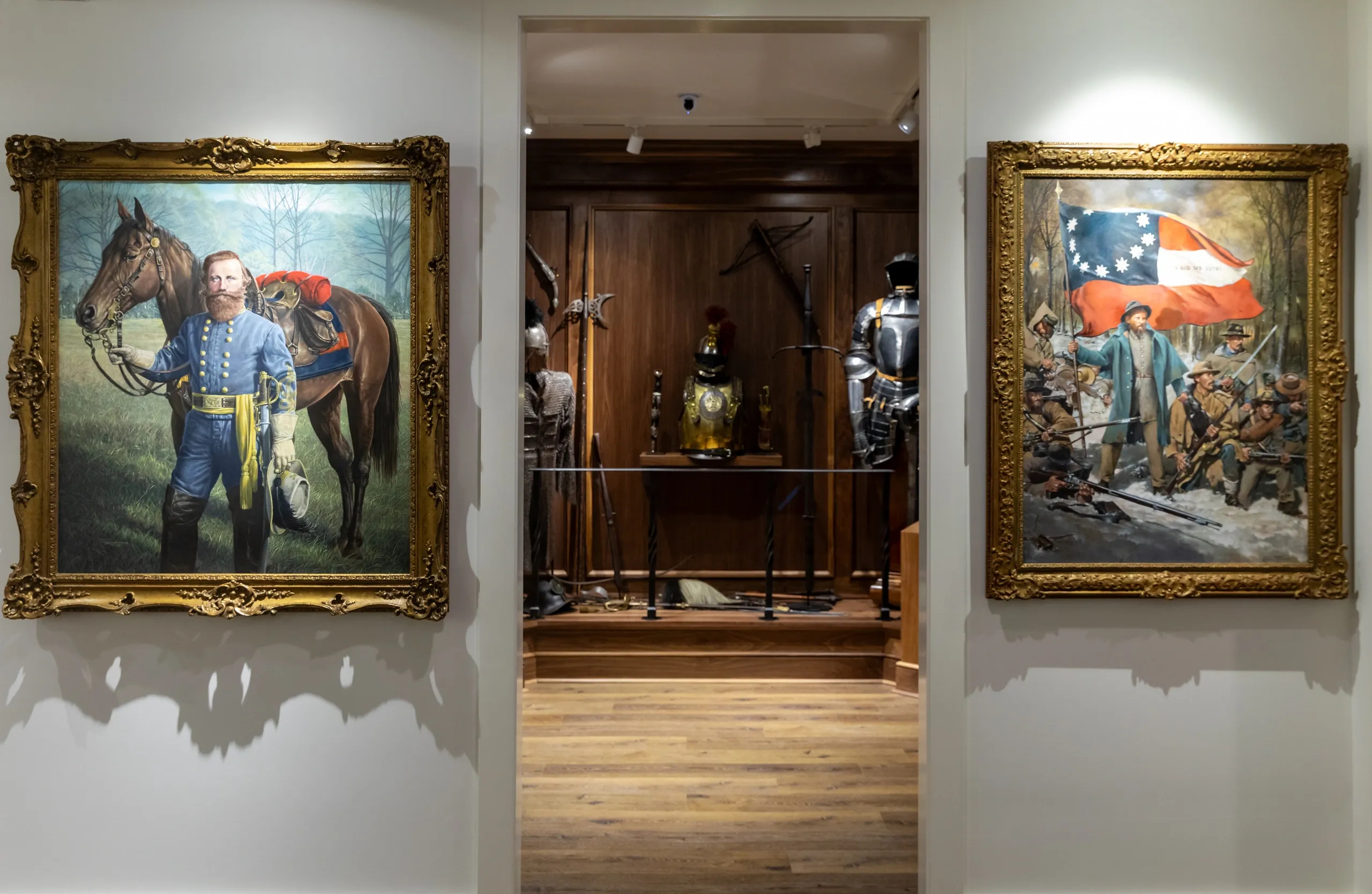
At 141 Main Street, one of Highlands' newest attractions holds objects that date back hundreds of years.
Maria's House Museum opened in May 2026, bringing an unusual private collection to the public for the first time. Its founder, Russ Chandler, spent more than five decades collecting fine art, historical artifacts, and military memorabilia from around the world.
Among the museum's holdings are 40 original Rembrandt etchings, many depicting biblical scenes, along with Old Master paintings associated with the studio of Peter Paul Rubens. Elsewhere in the collection, visitors will find antique weapons, historic military equipment, and a suit of armor dating to 1540.
The assortment reflects Chandler's personal interests rather than a single period or subject. Some pieces were purchased through major auction houses, including Sotheby's and Christie's. Others came through years of searching antique shops, galleries, and smaller markets.
Chandler began collecting antique weapons during the 1970s and continued adding to his collection throughout his business career. The museum represents his decision to make those objects available for others to see.
It also carries a personal history.
Maria's House is named in memory of Chandler's late wife, Maria. The two had discussed the possibility of opening a museum together, and the project eventually became a way to honor her while sharing a collection that had previously been kept private.
The result is an unexpected addition to Highlands' cultural offerings. Visitors can spend an afternoon examining works by one of history's most celebrated printmakers, learning about military artifacts spanning several centuries, and discovering the personal story behind the collection.
Perhaps the most surprising detail is that admission is free.
Plan a visit: Maria's House Museum is located at 141 Main Street. Its published 2026 season runs through November 30, with visiting hours Friday and Saturday, 10 am to 4 pm, and Sunday, 1 to 4 pm.
A Walk Through Highlands' Past
A few blocks can make a remarkable difference in how visitors experience Highlands.
The Highlands Plateau Greenway connects sections of town through a network of walking trails, offering an alternative to the familiar drives toward waterfalls and scenic overlooks.
One of its shortest paths has a history that might surprise visitors.
The Oak Street Sled Run Trail, beginning near the corner of Oak and First Streets, follows a route that was used for sledding during the 1950s.
At the time, streetlamps illuminated the course, allowing residents to enjoy the run after dark. The route eventually became marshy and overgrown before being restored as a walking trail in 2015 and 2016.
Today, the approximately 0.2-mile path is an easy walk through an area that once served as an informal gathering place for winter recreation.
The Greenway also preserves a portion of the historic Kelsey Trail, which once connected Highlands with Whiteside Mountain.
Developed in the nineteenth century, the original route extended roughly five miles through forests surrounding the newly established town. Residents and visitors followed it toward Whiteside Mountain, drawn by the landscape and the views beyond the plateau.
The surviving half-mile section passes through forests dominated by hemlocks and oaks. Although the original trail has changed considerably, its history offers a reminder of how people explored Highlands before the development of modern roads.
The Greenway now includes approximately ten miles of interconnected trails. Some lead through wooded areas, others follow waterways or connect neighborhoods, and several make it possible to explore portions of town without traveling along the streets.
For returning visitors, even a short walk can introduce a different part of Highlands.
Explore the Highlands Plateau Greenway
More Than a Garden
The Highlands Botanical Gardens are another place that can be easy to overlook, particularly for visitors who arrive with a full schedule of waterfall hikes and downtown activities.
Located at the Highlands Biological Station, the gardens are home to a remarkable collection of plants native to the region.
The property includes walking paths, woodland habitats, and trails surrounding Lindenwood Lake. More than 500 species of native plants are represented, providing an opportunity to identify some of the trees, shrubs, ferns, and wildflowers found throughout the Highlands Plateau.
The gardens also reflect the scientific importance of the surrounding landscape.
Highlands receives abundant rainfall, and its elevation of 4,118 feet contributes to environmental conditions that support a wide variety of plant and animal communities. For generations, researchers have studied the region's forests, streams, and mountain habitats.
Visitors don't need a background in biology to appreciate what makes the gardens interesting.
Plant labels offer a way to put names to familiar species. The lakeside paths provide opportunities for observing birds and other wildlife. And sections of woodland offer a closer look at the natural features that are often passed on the way to a larger scenic attraction.
November brings its own reasons to visit.
With many deciduous trees losing their leaves, the shapes of branches, trunks, and rock formations become easier to distinguish. Mosses, evergreens, and rhododendron stand out more clearly, providing a different view of a landscape often associated with spring blooms and autumn color.
The outdoor gardens and trails are open throughout the year, making them a worthwhile addition to a late-autumn visit.
Visit the Highlands Botanical Gardens
Beyond the Covered Bridge
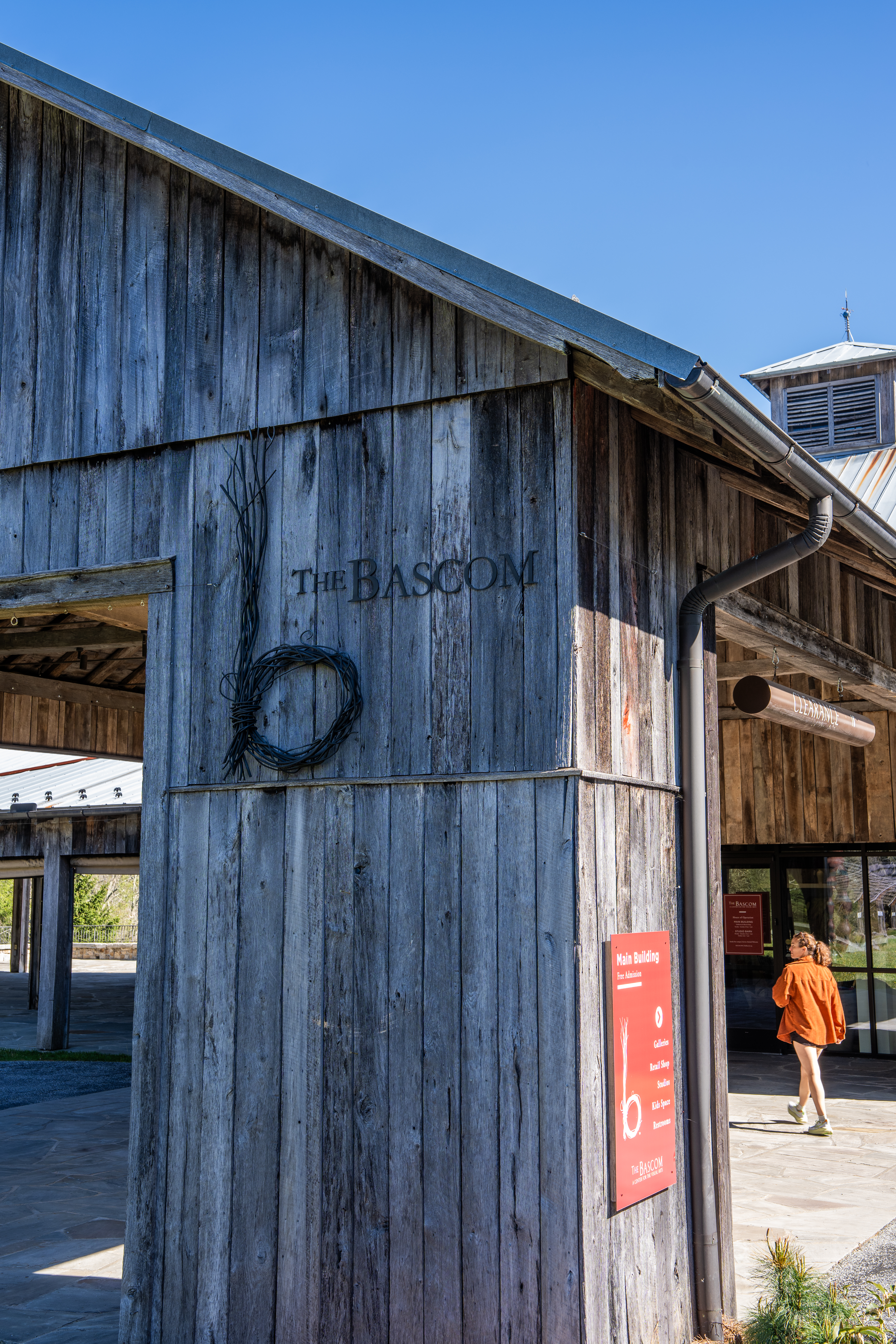
Most visitors traveling along Franklin Road have seen the covered bridge leading to The Bascom. Some have attended an exhibition, visited the galleries, or participated in a workshop.
But there's considerably more to the six-acre campus than its main exhibition space.
The Bascom occupies the grounds of a former horse farm, where historic structures and contemporary facilities now support exhibitions, classes, and working studios.
The Will Henry Stevens Bridge, an 87-foot covered bridge, marks the entrance to the property. Beyond it, the main building houses galleries featuring painting, sculpture, photography, and other forms of visual art.
Nearby, the Dave Drake Studio Barn provides dedicated space for ceramic arts. Its studios support classes and workshops, offering visitors opportunities to see how artists work with clay and other materials.
Outside, the Horst Winkler Nature and Sculpture Trail brings the artwork into the surrounding landscape.
The short path passes native plants, trees, and a brook with a small waterfall. Sculptures are positioned throughout the grounds, allowing visitors to experience the work in a setting quite different from a traditional indoor gallery.
The Bascom's exhibitions change throughout the year, with visiting artists, regional talent, and a variety of artistic traditions represented in its programming.
That makes it worth revisiting even for those who know the campus well.
A recent exhibition may have introduced a new artist. A workshop may offer an opportunity to try a technique for the first time. Or a walk around the grounds might reveal a sculpture that was missed on an earlier visit.
For anyone who has admired the covered bridge without stopping, the campus deserves a closer look.
The Highlands That Came Before
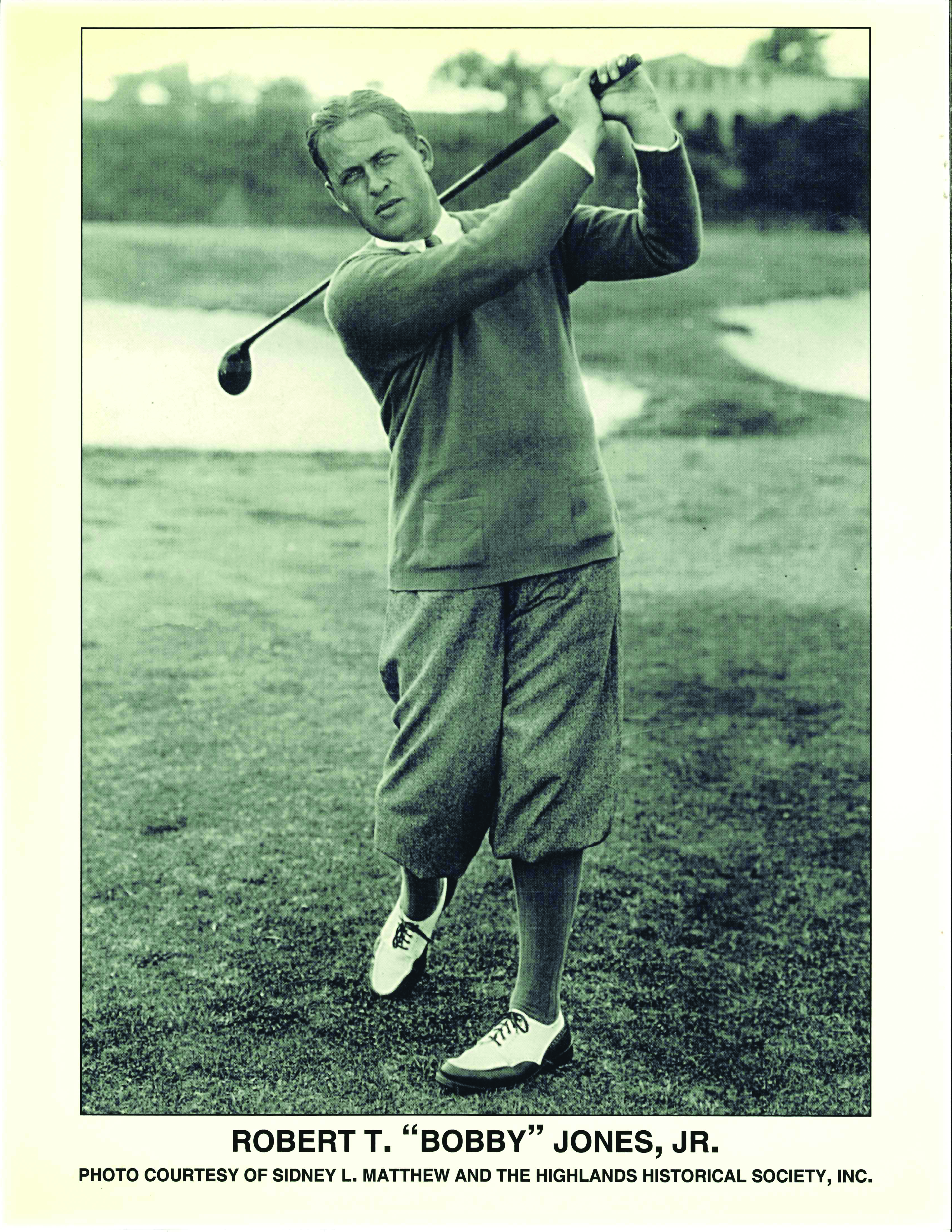
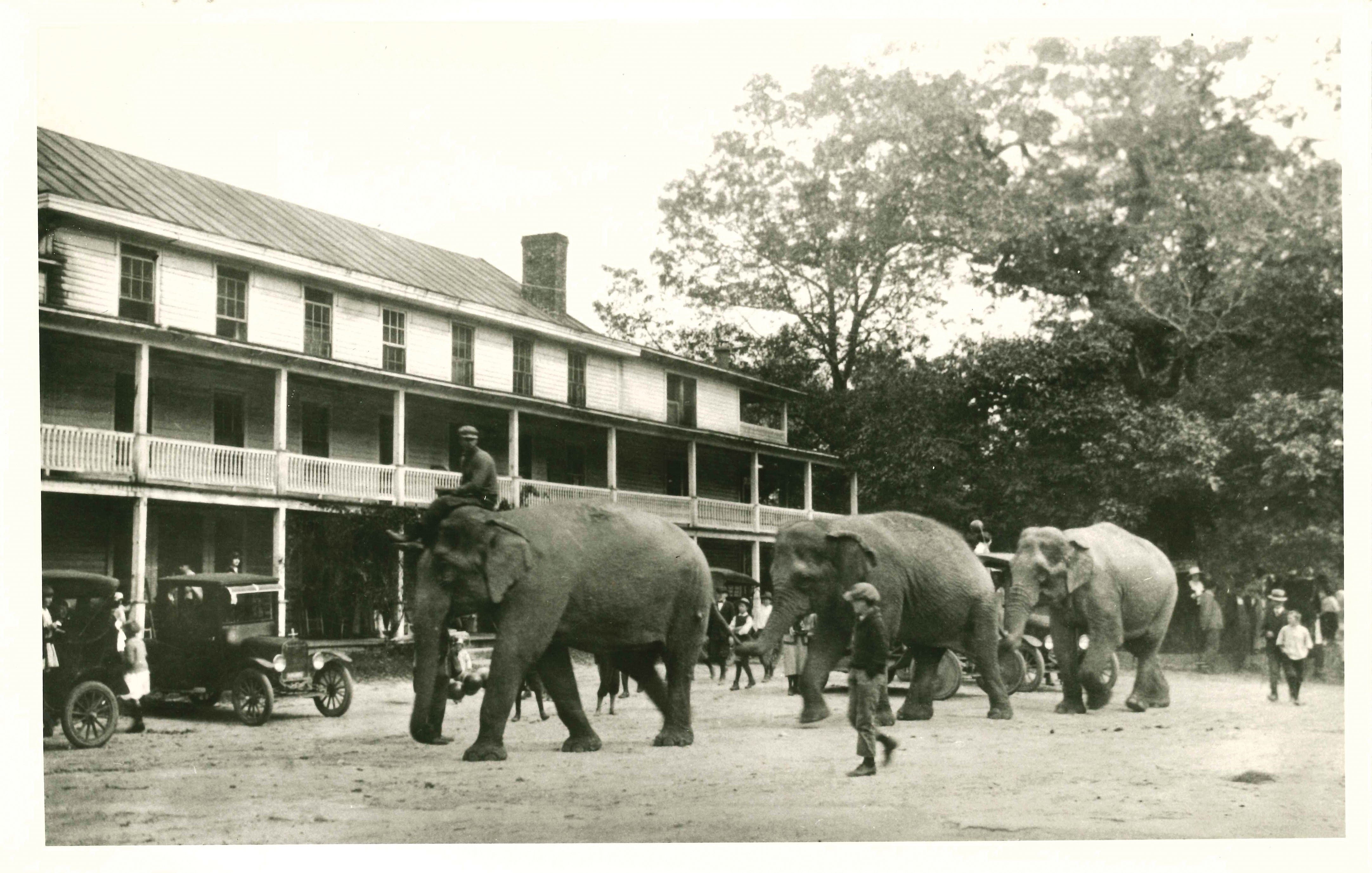
Highlands was founded in 1875, more than a century before its current reputation as a destination for fine dining, shopping, and mountain retreats.
The early town looked considerably different.
Roads were limited, travel through the mountains required time and effort, and the first residents faced the challenges of establishing a community at an elevation of more than 4,000 feet.
Much of that early history has been preserved through the work of the Highlands Historical Society.
At its historic property on North Fourth Street stands the Elizabeth Wright Prince House, built in 1877 by millwright Arthur House. It is recognized as the oldest surviving house in Highlands and is listed on the National Register of Historic Places.
The property also includes the Highlands Historical Museum and Archives, housed in a building originally constructed in 1915 for the Hudson Library.
Another notable structure is Bug Hill Cottage, a preserved open-air treatment structure associated with Dr. Mary E. Lapham's early twentieth-century tuberculosis sanatorium.
The sanatorium opened in 1908, during a period when mountain climates were frequently recommended for patients suffering from respiratory illnesses. Its history reveals a chapter of Highlands' past that many visitors may never have encountered.
Together, the buildings and collections document the experiences of the people who lived in Highlands during its earliest decades.
Photographs, personal records, and preserved structures provide a picture of how the community developed, how residents lived, and how the town changed over time.
The museum operates seasonally, so visitors planning a trip outside its regular season should check availability in advance. The Historical Society's resources are also worth exploring for those interested in learning more about the town before their next visit.
Take Another Look at Downtown
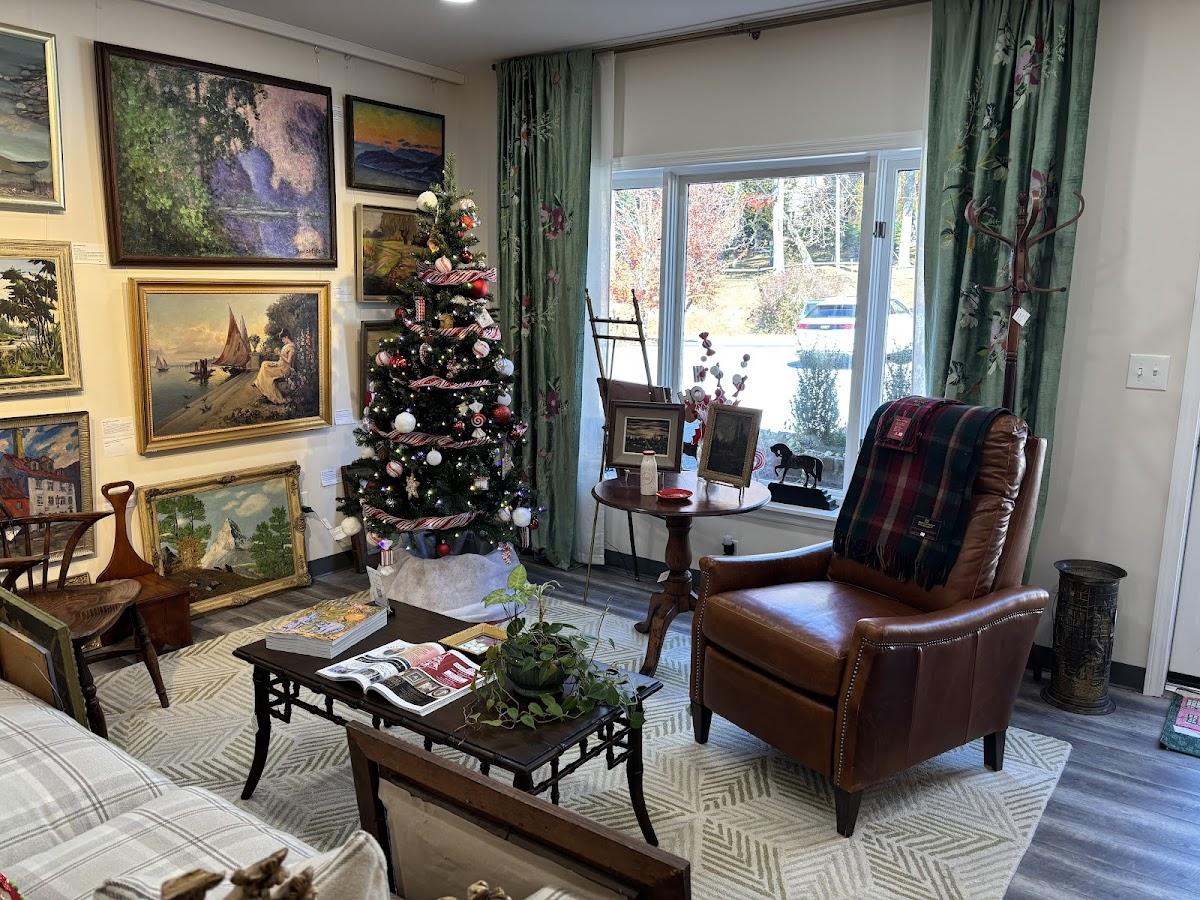
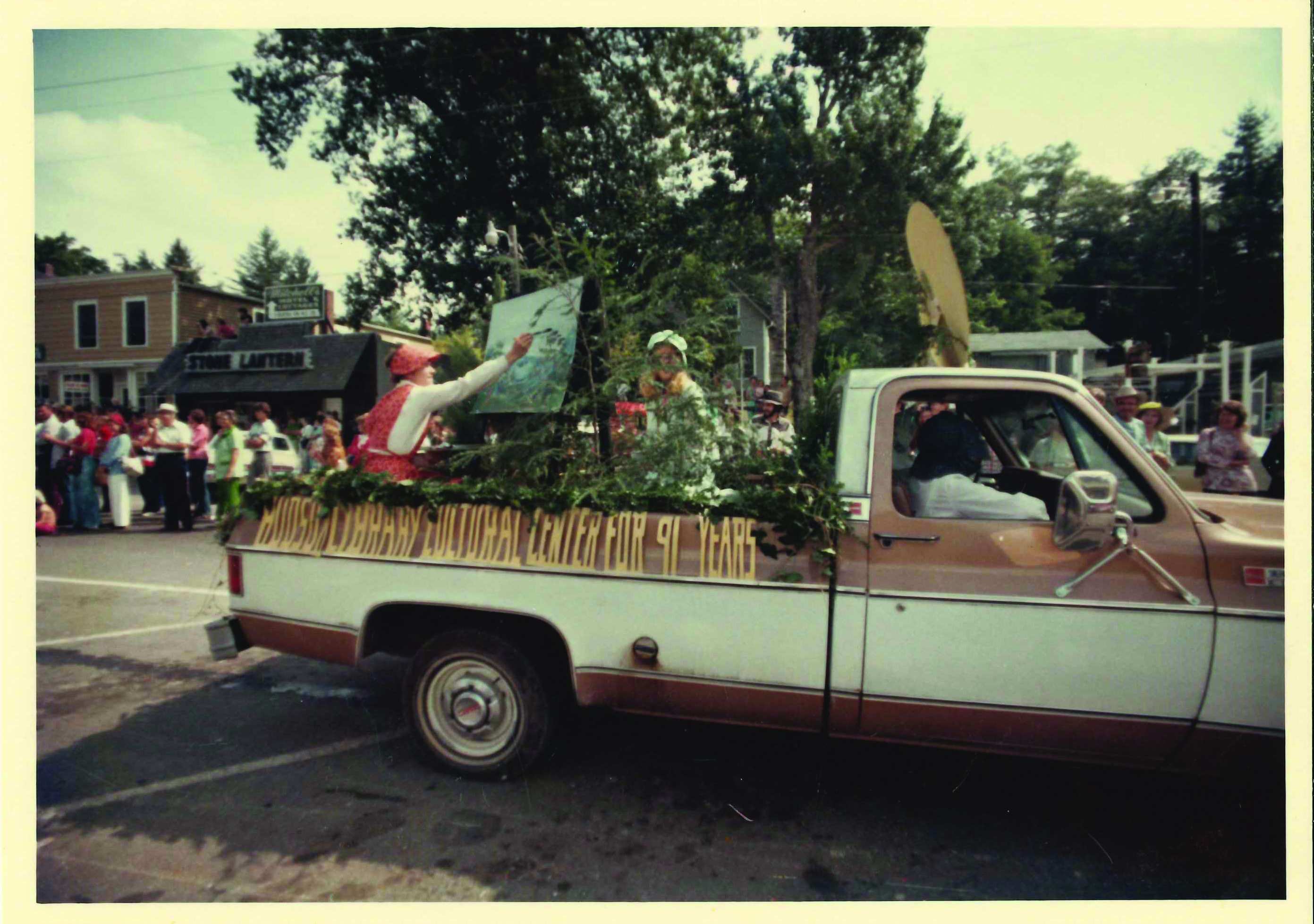
Highlands has an unusually rich arts and cultural community for a town of its size.
Alongside established attractions such as The Bascom, downtown is home to independent galleries, specialty shops, and businesses that reflect a wide range of interests.
Visitors who typically follow the same shopping route might discover something different simply by exploring a gallery they haven't entered before.
The town's visual arts community includes spaces featuring regional painters, sculptors, ceramic artists, and other makers, as well as galleries showcasing work from across the country.
Each offers a different perspective on art and collecting.
There's also history in the buildings themselves. The architecture along Main Street and the neighboring blocks reflects generations of development, as early structures and later additions have shaped the downtown visitors know today.
Looking beyond the storefronts reveals details that might otherwise go unnoticed: old rooflines, stonework, porches, and architectural features that distinguish one building from the next.
Even a familiar walk can offer something new when there's time to look more closely.
There's Still More to See
Returning to Highlands often means returning to favorite places. Those familiar stops are part of what makes another trip feel worthwhile.
But there's good reason to make room for something different.
A new museum has opened on Main Street. Historic walking paths preserve stories of earlier generations. The botanical gardens offer a closer look at the plateau's extraordinary plant life, while galleries and museums continue sharing work and history that visitors might otherwise miss.
Some of these places have been here for decades. Others are new additions to the town's cultural life.
All offer another reason to return.
The next favorite place in Highlands might be one that's been passed a dozen times already.