
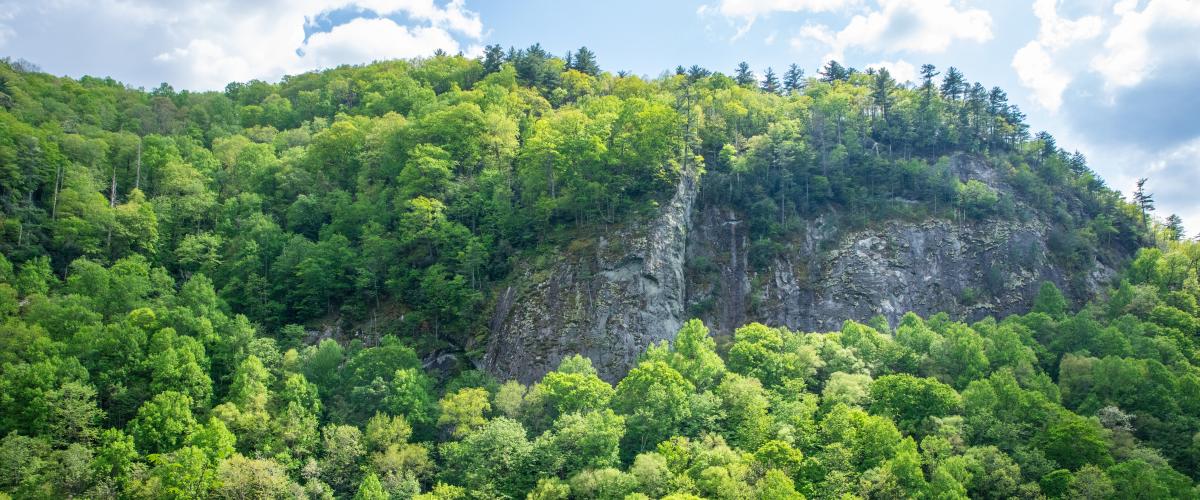
Highlands hums in green. Mist drifts from waterfalls like breath, rain polishes leaves, and every pocket of slope and shade seems to grow its own secret garden. Perched high on the Blue Ridge Escarpment, the Highlands-Cashiers Plateau’s cool summers and abundant precipitation - often 80 to 100+ inches a year - classify it as a temperate rainforest, feeding an extraordinary mosaic of plant communities in just a few winding miles. That generous climate sets the stage, but the story begins with the people who knew these mountains first.
Long before academic botanists arrived, the Cherokee and their Native American forebears were the region’s first stewards. Their deep relationship with this landscape includes sophisticated knowledge of native plants for medicinal uses - knowledge that persists today and continues to shape how people live with the land. Walking a trail here means moving through that living legacy, which makes the year’s first blooms feel even more like a conversation across time.
Spring arrives in a quiet rush. In rich coves, the leaf litter parts for trilliums, spring beauties, toothwort, and trout lilies. Along shaded streambanks, Oconee bells (Shortia galacifolia) open delicate white-to-blush blooms in March and April - an emblem of the southern Appalachians since French botanist André Michaux collected it here in 1788.
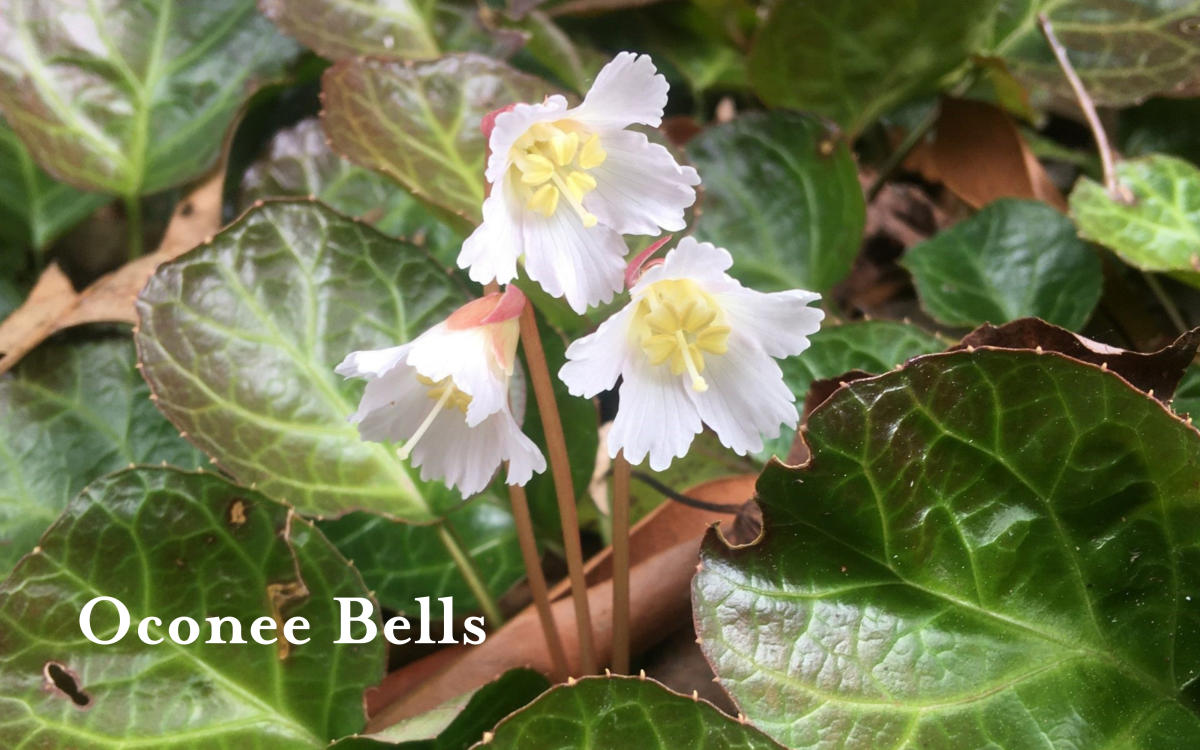
Nearly a century later, Asa Gray - often considered the most important American botanist of the 19th century - studied Michaux’s specimen and spent years searching for this species before finally locating it in its natural habitat. In the wild, Oconee bells remain genuinely rare, occurring naturally in only a handful of sites in our tri-state region of North Carolina, South Carolina, and Georgia, with very few populations in Highlands itself. That rarity invites a gentle approach. (Find information on a special Oconee Bells workshop below)
Like Oconee bells, many Plateau treasures are best admired, not handled. Pink lady’s-slipper orchids (Cypripedium acaule), for instance, depend on a specific soil fungus to germinate and survive; they rarely transplant and shouldn’t be disturbed. That delicate partnership is part of what makes a Highlands walk feel like a guided tour through a living plant refuge.
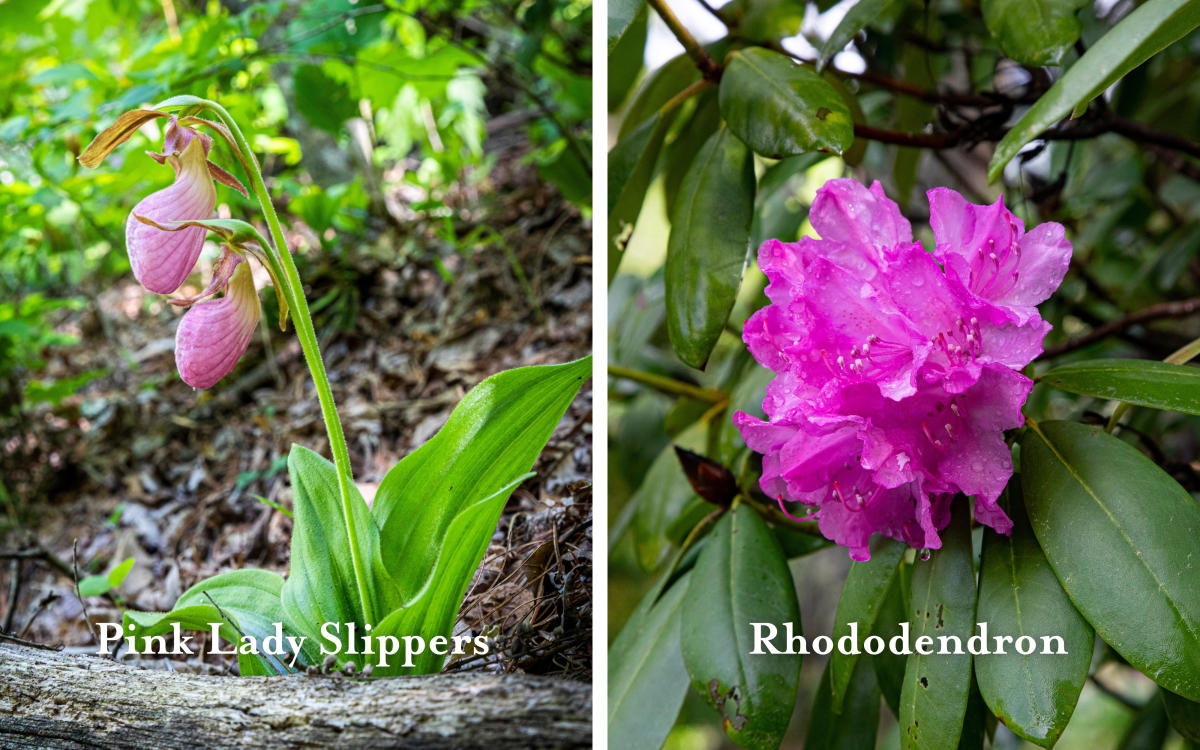
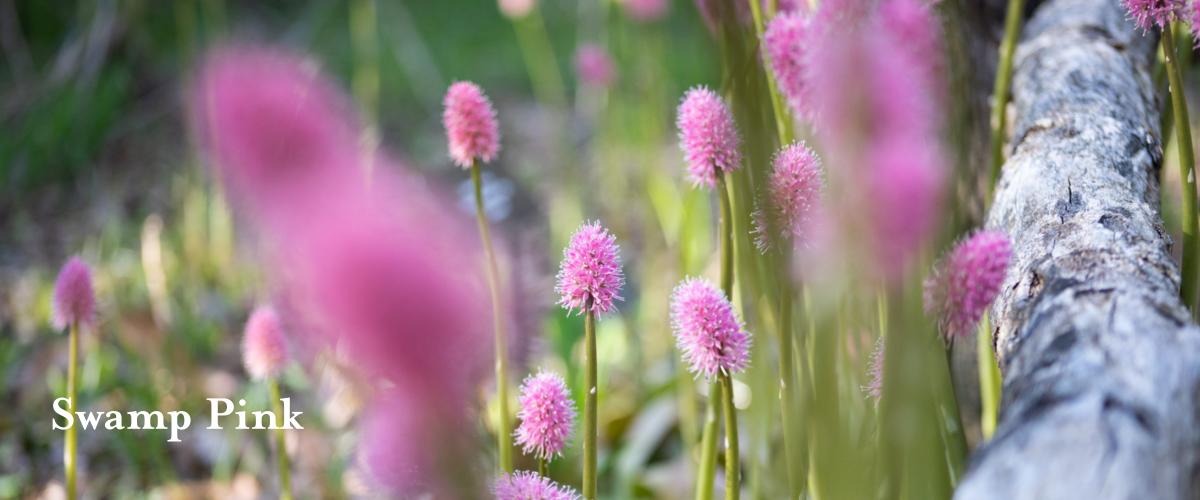
By early summer, Highlands turns lantern-bright. Flame azalea sparks along sunny edges while mountain laurel and species of rhododendron take turns lighting the understory. In wet meadows, seeps, and the Plateau’s scarce mountain bogs, swamp pink (Helonias bullata) lifts rosy tassels above glossy evergreen leaves. This species is federally listed as Threatened due to loss of forested wetland habitat, and our remaining bogs and seeps are essential havens for it (and for other specialists, including several pitcher plants and the bog turtle). Protecting these wetland pockets is one reason southern Appalachian bogs - now reduced to scattered acres - are conservation priorities.
Follow the water and you’ll find micro-worlds of their own. Around waterfalls, spray-kissed cliffs keep mosses, liverworts, and ferns thriving through the heat; these “spray cliff” communities cloak wetted rock outcrops beside falls across the Southern Blue Ridge - tiny ecosystems sustained by the breath of falling water.
June and July welcome another rarity: Gray’s lily (Lilium grayi) – a unique, red-flowered lily named in honor of Asa Gray - still captures imaginations on high, moist meadows, bog edges, and seeps. This species is officially listed as Threatened in North Carolina and faces pressures from disease and habitat loss; please enjoy it from the trail and give it space to persist.
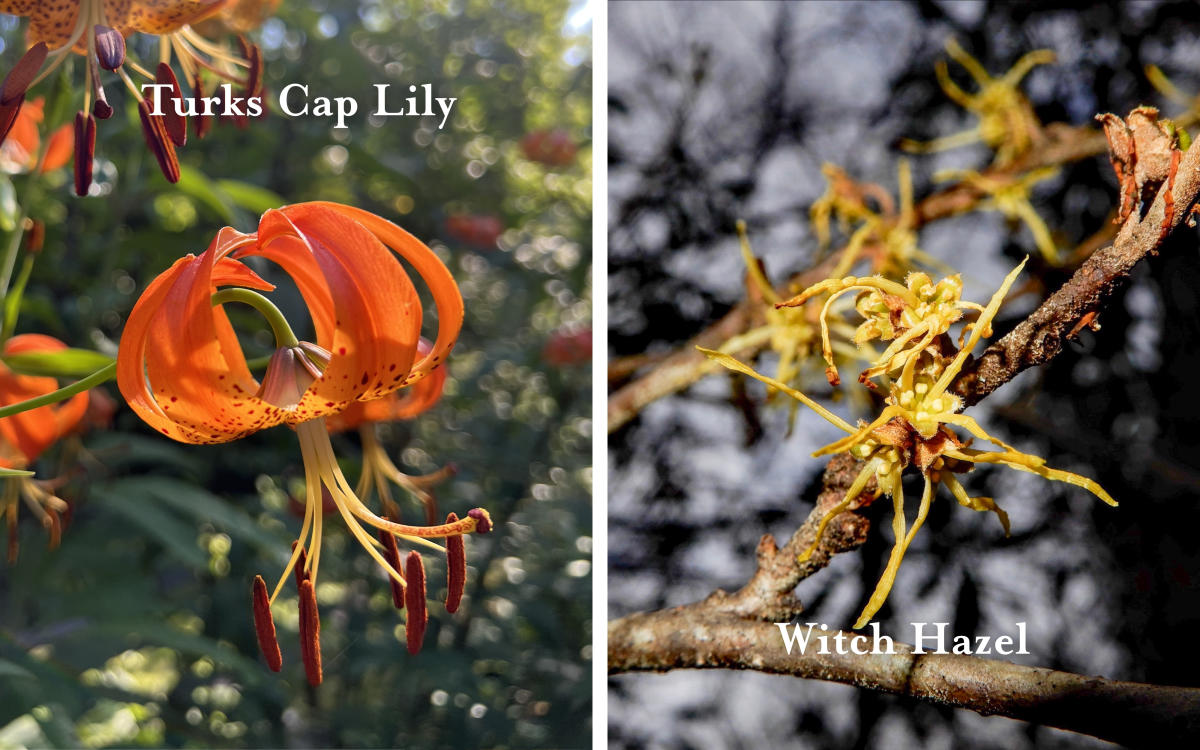
Late summer flows into fall with a final wildflower parade. Look for Turk’s-cap lily nodding above roadsides and trail edges; then goldenrods and asters stitch sunlight into the understory. Orange jewelweed blooms line streambanks and roadside ditches. As the canopy turns, witch-hazel unfurls spidery yellow blossoms, a cheerful surprise in October and November. Evergreen groundcovers such as galax, partridgeberry, and Christmas fern carry color through winter, when the forest’s structure and the rich tapestry of mosses take center stage.
What makes Highlands so special isn’t just the plant list - it’s the sheer variety of living spaces packed into a compact, easily explored landscape: deep cove forests, heaths on exposed rock, spray cliffs at waterfalls, cold seeps and mountain bogs, and stream-carved ravines. Stack those habitats across short elevation changes and bathe them in abundant rainfall, and you get extraordinary biodiversity you can experience in an afternoon of gentle hiking.
To learn more year-round, stop by the Highlands Biological Station’s Botanical Garden and Nature Center—an elevated native plant garden and living classroom right in town. Don’t miss your chance to go deeper with the Oconee Bells Workshops, March 21–22: a two-day exploration of Shortia galacifolia with Dr. Jim Costa and Dr. Cynthia Woodsong, featuring talks and time in the field with these fleeting blooms. Click here to learn more.