
The ancient art of making herbal teas, salves and natural remedies on the Highlands Plateau
Long before the first pharmacy opened its doors, mountain families knew which leaf would soothe a cough, which root could purify blood, and which flower transformed into healing salve. In kitchens across Appalachia, cast-iron pots simmered with sassafras bark, mason jars filled with fermenting blackberry leaves, and wooden shelves lined with tinctures that held winter's remedy against summer's abundance.
This sophisticated botanical knowledge passed from Cherokee healers to European settlers represents one of humanity's oldest sciences: transforming wild plants into teas, tinctures, and topical treatments. Today, the Highlands plateau stands as a living testament to this tradition, harboring over 500 native plant species at 3,800 feet elevation, many existing nowhere else on Earth.
A Forest Pharmacy of Native Healing
Cherokee knowledge of American ginseng proved so valuable it launched one of America's first international trade relationships. In 1715, a French missionary discovered the connection between American and Asian ginseng, leading to dried American roots becoming one of the first exports to China.
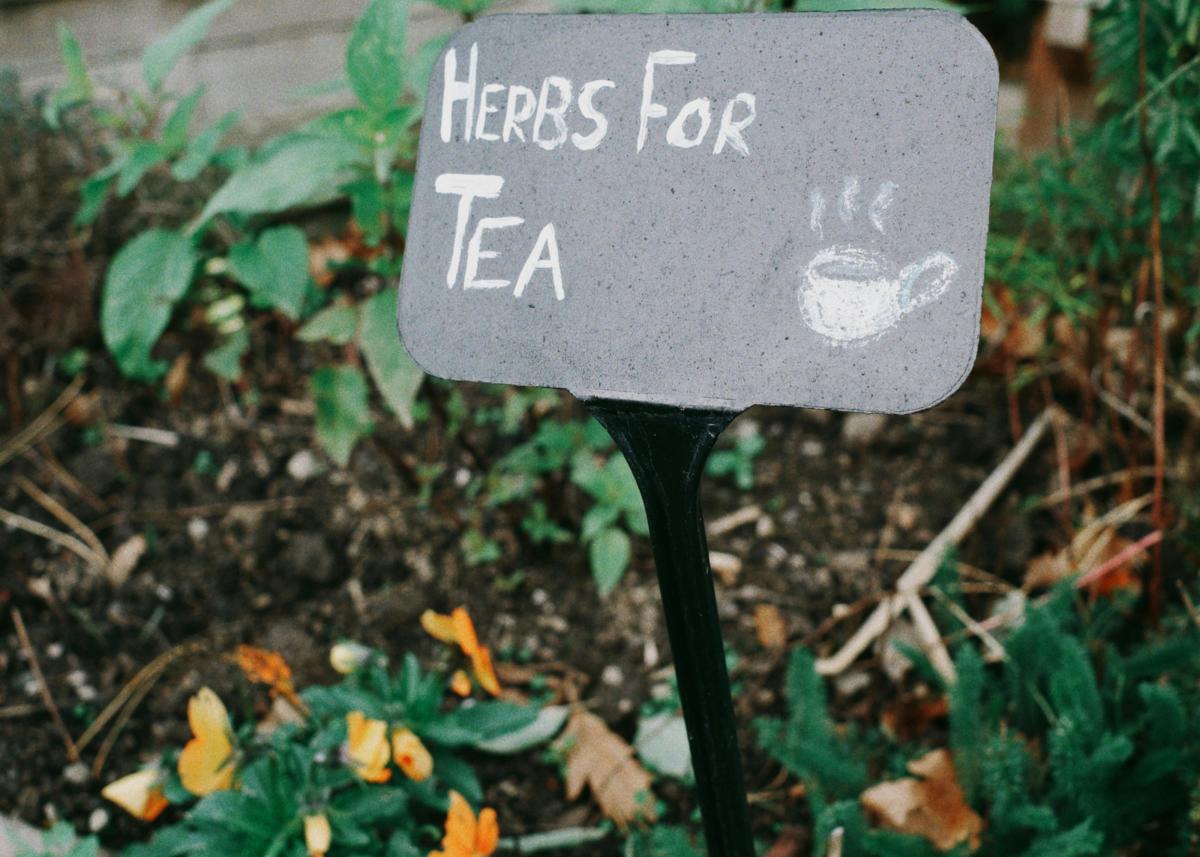
At the Highlands Biological Station's Cherokee ethnobotany garden, visitors witness this heritage firsthand. Here grow woodland medicinal plants: American ginseng with its distinctive five-leaflet pattern, goldenseal (yellow root), bloodroot with pristine white petals, black cohosh in shaded coves, and wild ginger along stream banks.
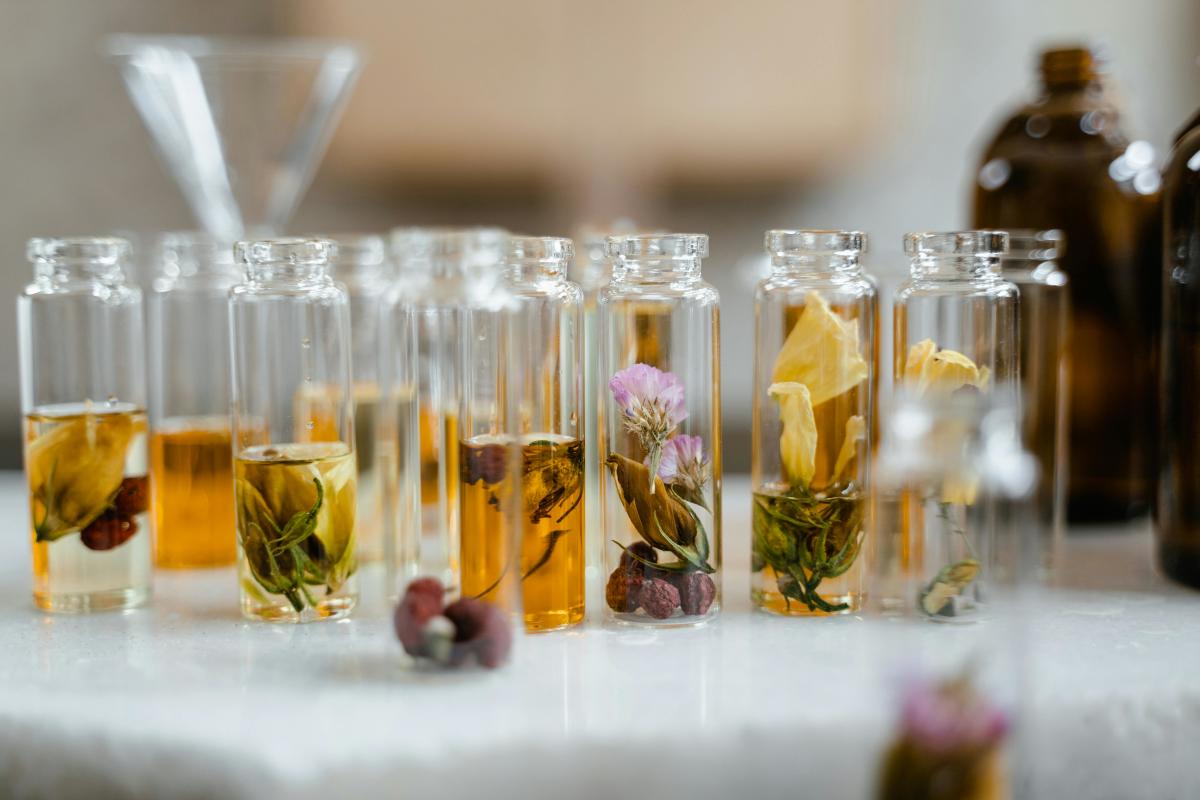
Simmer chopped sassafras root for 10-15 minutes until water turns reddish, then strain and sweeten with honey. Spicebush, a close relative, offers similar spring restoration using the same preparation method.
Pine forests provide vitamin-rich teas from fresh needles, white pine, pitch pine, or Virginia pine, loaded with vitamins A and C. Steep 1-2 tablespoons of chopped fresh needles in hot (not boiling) water for 5-15 minutes, then strain. Never boil pine needles as this destroys vitamin C.
Native Americans created Appalachian tea from dried, roasted inkberry leaves (Ilex glabra), a holly family shrub. This caffeine-free beverage requires drying the glossy leaves, then roasting them like coffee beans before steeping in boiling water for 5-7 minutes.
Oswego tea (bee balm) demonstrates sophisticated preparation techniques. The Oswego Indians and Shakers steeped its aromatic leaves for colds and sore throats, while modern practitioners steam the plant to clear sinuses. Simply steep fresh or dried bee balm leaves in boiling water for 5-10 minutes.
Mountain Tea Traditions: From Root to Cup
Sassafras represents the most famous Appalachian Spring tonic. Local families harvest aromatic roots, twigs, and young branches to create what herbalists call an "alterative," nature's way of cleansing the body after winter.
Mountain mint and self-heal offer simpler preparations, both air-dry easily before steeping. Self-heal creates healing teas from purple flower clusters. Use one teaspoon of dried herbs per cup, steep for 5-10 minutes, and strain before serving.
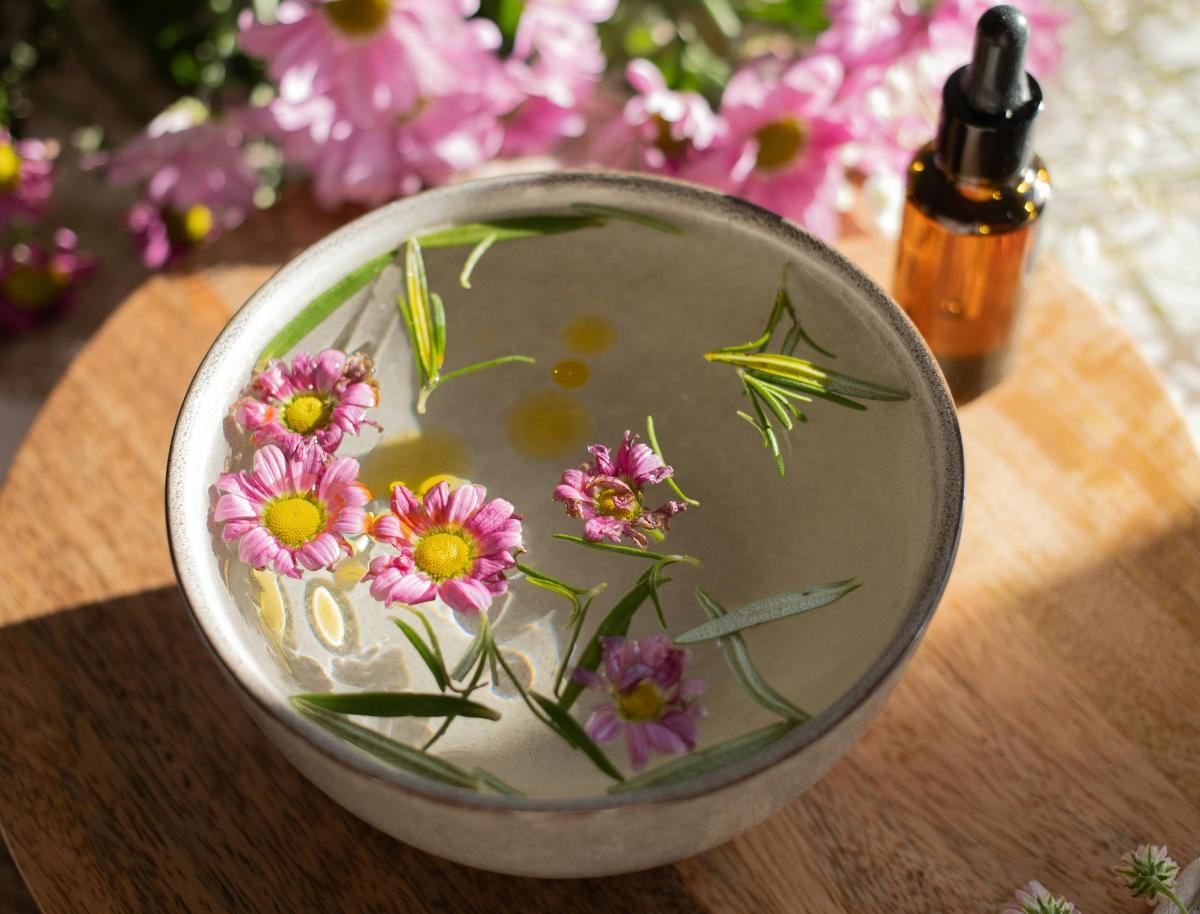
Today, the Highlands plateau stands as a living testament to this tradition.
Modern Mountain Medicine: Traditional Practices Alive Today
The ancient traditions of Highland herbal medicine continue to thrive through contemporary practitioners who honor time-tested methods while serving today's community. The Mountain RLC exemplifies this living tradition, with Farm Manager Shelley Hall leading efforts to create authentic mountain remedies using wild-foraged local ingredients.
Their signature anti-itch spray combines jewelweed and plantain, the same plants Cherokee healers used for skin irritations, into a modern preparation specifically formulated for poison ivy, oak, and sumac relief. Playfully labeled "Stop Your Scratchin'," this remedy demonstrates how traditional knowledge adapts to contemporary needs while maintaining its healing effectiveness.
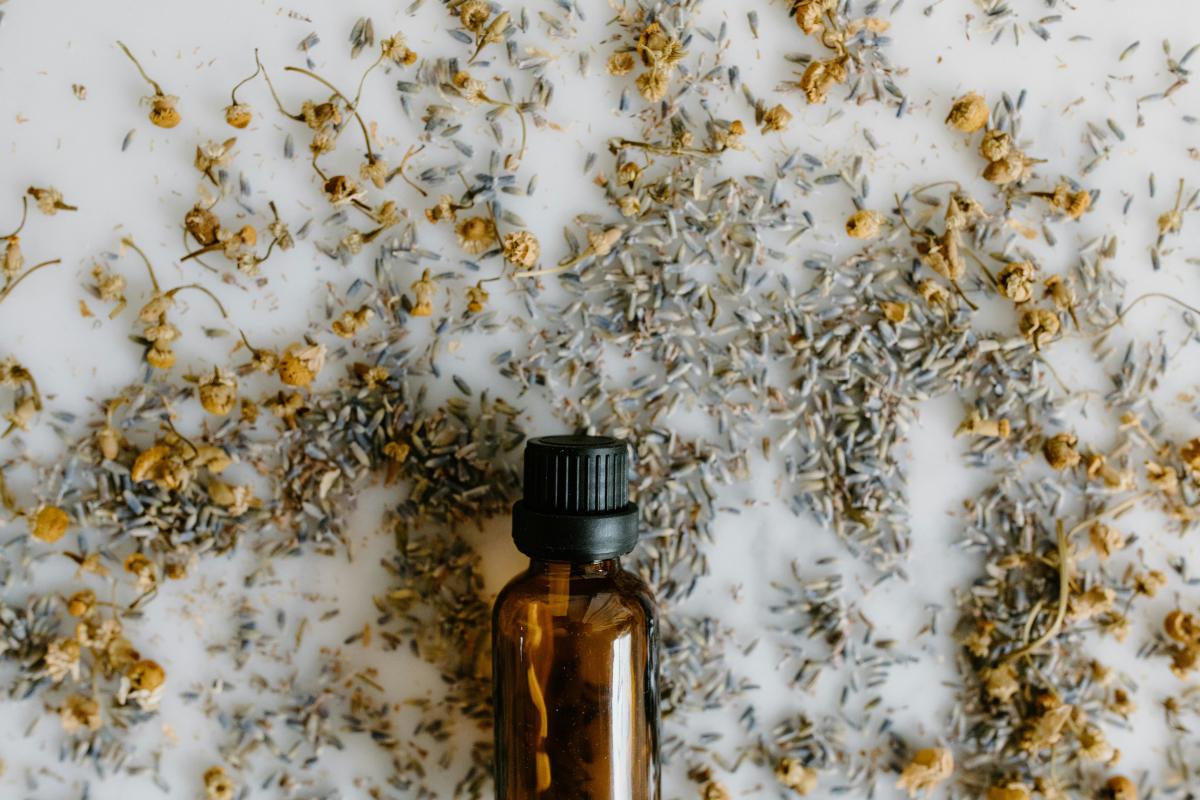
The Mountain RLC also produces artisan body care products, including whipped body butter in lavender and frankincense varieties, as well as unscented options.
Their medicinal preparations showcase sophisticated dual-extraction techniques, particularly evident in their wild-foraged reishi mushroom tincture. This immune-boosting preparation combines both the fruiting body and spores of locally harvested reishi mushrooms, creating a potent dual-extracted tincture that maximizes the mushroom's beneficial compounds.
Perhaps most impressive is their healing salve, which combines wild-foraged yarrow, plantain, and comfrey, three plants long revered by mountain healers for wound treatment. This preparation functions much like modern Neosporin but relies entirely on the antiseptic, anti-inflammatory, and tissue-regenerating properties of native plants, proving that traditional mountain medicine can match contemporary wound-healing products.
These handcrafted remedies are available through The Mountain RLC's website, their on-site gift shop, and various event programs. Local residents and visitors can also find these authentic mountain medicines at the Highlands Farmers Market every Saturday morning at Kelsey-Hutchison Park, connecting the community directly with this living tradition.
Learning the Mountain Way
Several local organizations offer hands-on opportunities to learn these traditional plant medicine practices. The Mountain RLC provides workshops and events focused on herbal medicine and sustainable living practices. Mainspring Conservation Trust hosts educational programs connecting people with native plant knowledge. Wildcraft Kitchen offers specialized instruction in wild plant preparation and traditional food medicine.
In our modern world, the Highlands plateau offers rare access to healing traditions that sustained mountain communities for millennia. Through these organizations, ancient wisdom continues to serve contemporary needs, reminding us that wellness often grows right outside our doors.
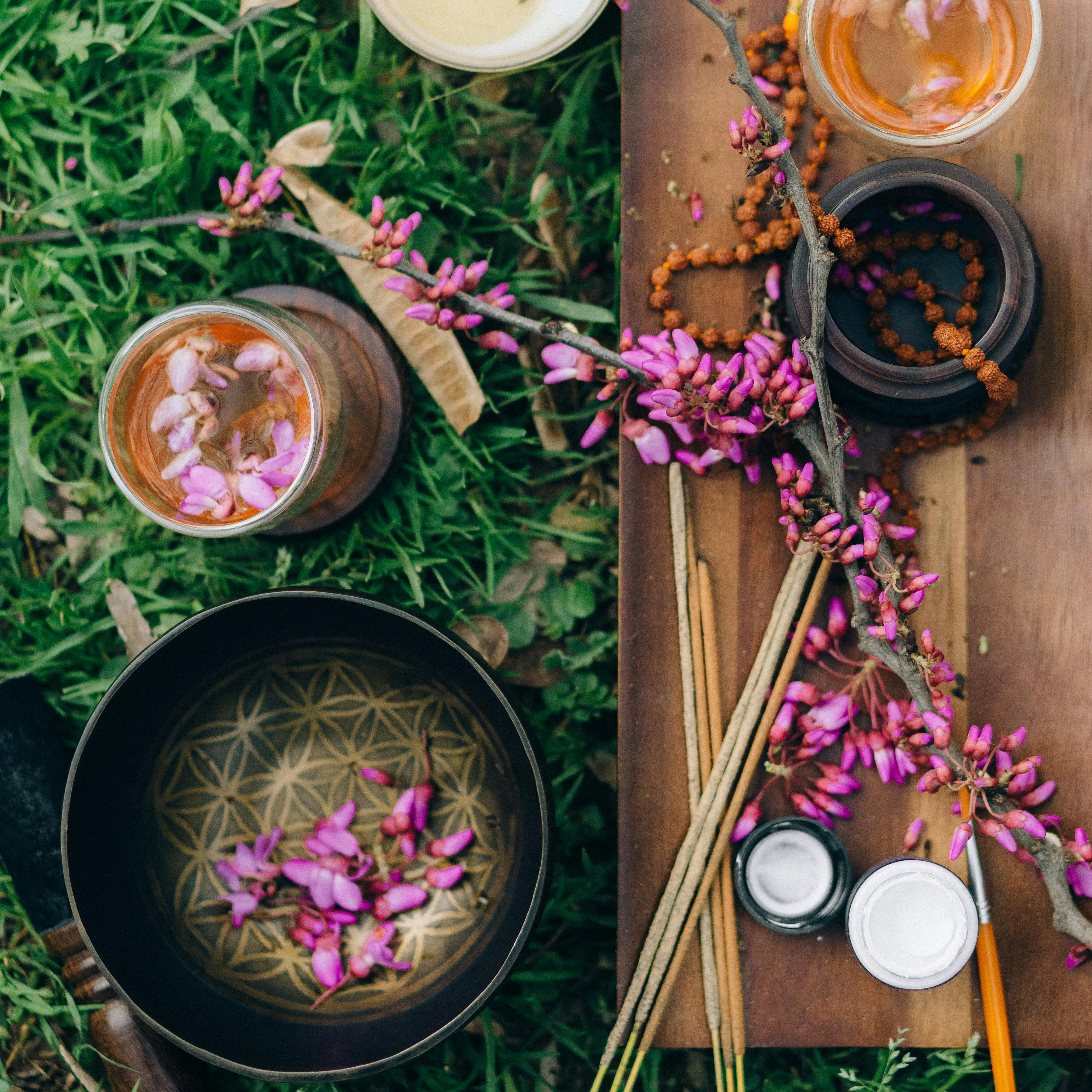
Medicinal Preparations: Ancient Wisdom, Modern Methods
Blackberry leaf preparation showcases mountain medicine's complexity. Unlike simple air-dried teas, blackberry leaves require fermentation to unlock medicinal properties: dry leaves, compact in airtight containers for 3-10 days away from light, then expose to heat before final air-drying.
Jessica Blackburn, Education and Stewardship Technician for Highlands-Cashiers Land Trust, explains that understanding plants helps people "safely and sustainably engage with the natural environment."
Healing Salves from Highland Plants
Traditional salves transform native plants into topical medicines. Jewelweed creates nature's answer to poison ivy when combined with local beeswax and carrier oils. Plantain reveals anti-inflammatory and wound-healing properties, while yarrow adds antiseptic benefits. The process involves steeping plants in olive or sunflower oil for weeks, then combining with beeswax to create solid salves.